
Heart Palpitations at Rest: When Should You See a Cardiologist?
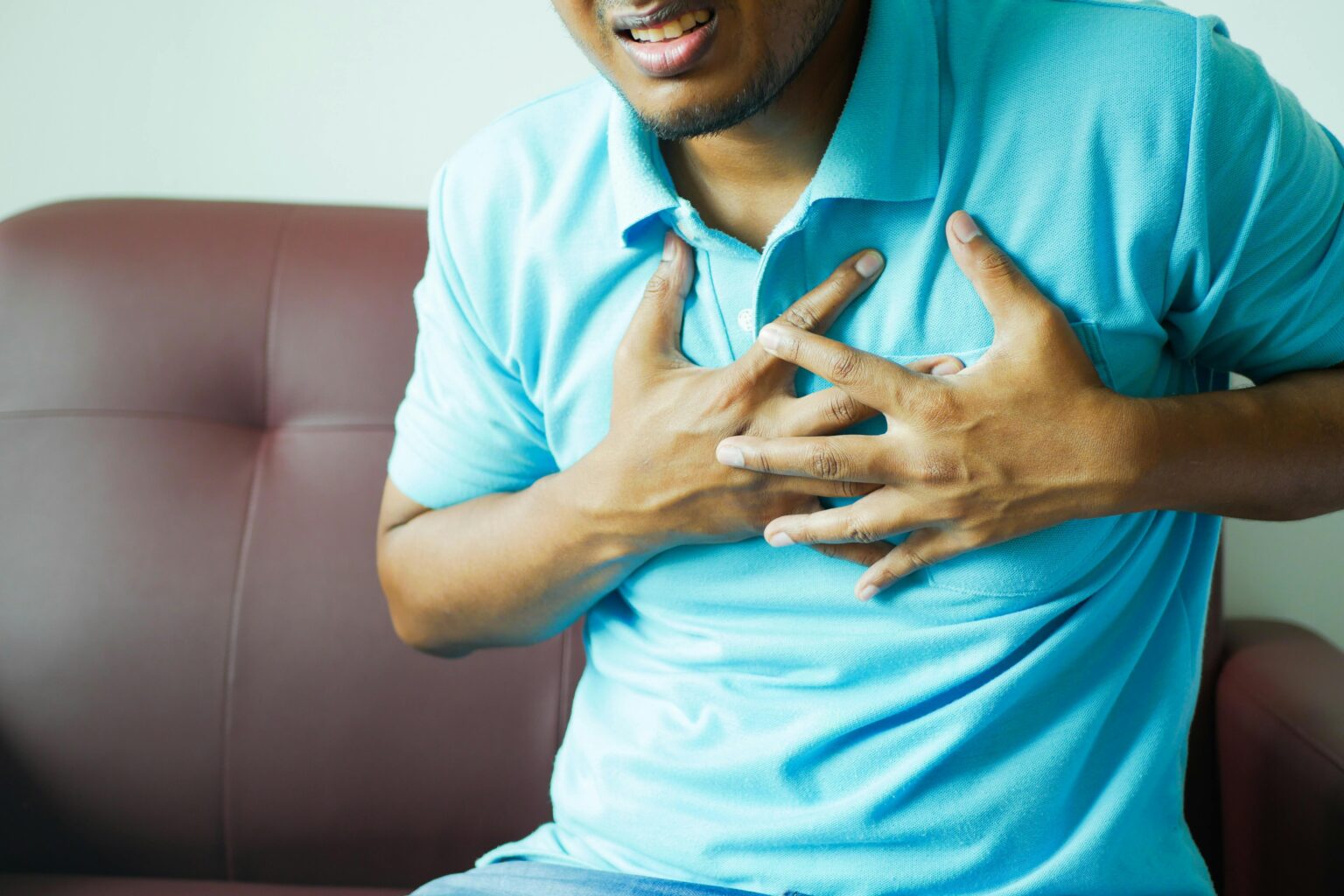
While your heart normally beats continuously throughout the day without notice, palpitations at rest—sensations of fluttering, pounding, or racing—can be concerning because they occur without physical exertion. These sensations are often related to temporary changes in the heart’s electrical signalling or conduction pathways and can range from benign triggers, such as caffeine, to underlying cardiac rhythm disorders.
Understanding whether these episodes represent isolated skipped beats or sustained rhythm disturbances helps determine when reassurance or simple monitoring is sufficient, and when specialist evaluation may be appropriate. Recognising specific patterns and associated symptoms allows for more informed discussion with a cardiologist about potential electrical causes of palpitations.
What Causes Heart Palpitations During Rest
Palpitations at rest commonly occur when the heart’s electrical conduction system produces premature beats in the upper or lower chambers. These premature contractions often feel like a brief pause followed by a stronger-than-usual heartbeat.
In some cases, palpitations may be associated with rhythm disturbances such as supraventricular tachycardia (SVT), in which the heart rate suddenly accelerates and then abruptly stops, or atrial fibrillation, in which the upper chambers beat in a disorganised manner. Unlike the gradual increase in heart rate during exercise, these episodes often occur suddenly and without an obvious trigger.
Such resting palpitations reflect changes in the heart’s electrical activity and may warrant medical evaluation in some individuals to distinguish benign rhythm variations from clinically significant arrhythmias.
Non-cardiac factors may also contribute to palpitations at rest, including:
- Caffeine and stimulants: Coffee, tea, energy drinks, and certain medications stimulate the nervous system
- Dehydration: Reduced circulating volume increases cardiac workload
- Electrolyte imbalances: Abnormal potassium, magnesium, or calcium levels can affect electrical conduction
- Thyroid dysfunction: Excess thyroid hormone increases heart rate and rhythm irritability
- Anaemia: Low red blood cell levels prompt compensatory increases in heart rate
- Sleep deprivation: Fatigue elevates stress hormone levels, influencing heart rhythm
How Palpitations Feel: Recognising Different Patterns
The specific sensation experienced during palpitations can provide useful clues about the underlying rhythm. Differentiating between isolated beats and sustained rhythm changes helps guide further assessment.
- Isolated Skips: A sudden “flip-flop” or skipped sensation followed by a forceful beat reflects premature atrial or ventricular contractions (PACs or PVCs), which are frequently benign.
- Rapid Racing: A sudden onset of fast, regular pounding that starts and stops abruptly may suggest SVT.
- Chaotic Fluttering: An irregular, unpredictable rhythm often described as quivering or “jumping around” may be consistent with atrial fibrillation.
- Perceptual Pounding: Heightened awareness of a normal heartbeat, particularly when lying quietly or on the left side, may reflect increased sensitivity rather than an abnormal rhythm.
Distinguishing Harmless from Concerning Palpitations
Isolated palpitations lasting seconds to minutes, occurring without other symptoms, are often benign. Episodes that arise during stress, after caffeine intake, or during hormonal changes, such as menstruation or perimenopause, commonly settle on their own. Keeping a simple record of when symptoms occur can help identify potential triggers that may be modified.
Certain features may warrant further assessment:
- Duration and frequency: Episodes that last several minutes, occur frequently, or show a progressive increase over time may benefit from medical review, as sustained rhythm disturbances place different demands on the heart than brief, isolated events.
- Associated symptoms: Palpitations accompanied by chest discomfort, breathlessness, dizziness, near-fainting, or loss of consciousness may indicate reduced cardiac output during the episode.
- Underlying heart conditions: A history of heart attack, heart failure, cardiomyopathy (thickening or weakening of the heart muscle), or congenital heart disease increases the likelihood that palpitations may be clinically significant.
- Family history: Sudden cardiac death, inherited rhythm disorders (such as Long QT syndrome, Brugada syndrome, or hypertrophic cardiomyopathy), or multiple relatives requiring pacemakers or defibrillators may suggest a genetic predisposition affecting the heart’s electrical system.
Diagnostic Approaches for Resting Palpitations
Cardiologists use a range of tools to detect and characterise heart rhythm abnormalities. A standard 12-lead electrocardiogram (ECG) records the heart’s electrical activity at rest and provides baseline information about conduction patterns. However, because palpitations may occur intermittently, they are not always captured during this brief recording.
Extended rhythm monitoring is often used to detect sporadic arrhythmias:
- Holter monitor: Worn for a short period, continuously recording every heartbeat
- Event recorder: Worn for several weeks and activated during symptoms to capture the rhythm at that time
- Implantable loop recorder: A small device inserted under the skin that automatically detects and stores abnormal rhythms over a prolonged duration
To assess contributing factors, echocardiography is commonly performed to evaluate heart structure, including chamber size, wall thickness, and valve function, as structural abnormalities may increase arrhythmia risk. Blood tests may also be used to identify reversible triggers such as thyroid dysfunction or electrolyte imbalances.
In selected cases, an invasive electrophysiology study (a test to check on the heart’s electrical system) may be recommended. This involves inserting catheters into the heart to map electrical pathways and provoke arrhythmias under controlled conditions, helping identify the precise origin of abnormal rhythms and guide further treatment when appropriate.
Lifestyle Modifications That Reduce Palpitation Frequency
Identifying and addressing potential triggers can reduce symptoms for many individuals without the need for medication or procedures.
- Caffeine reduction: Coffee, tea, chocolate, energy drinks, and some soft drinks contain caffeine. Temporarily reducing or avoiding intake, followed by gradual reintroduction, may help identify personal sensitivity.
- Sleep optimisation: Maintaining consistent sleep and wake times supports autonomic balance. Sleep deprivation increases stress hormone levels, which can promote rhythm disturbances.
- Adequate hydration: Regular fluid intake throughout the day supports stable circulation. Dark urine may indicate dehydration and should prompt increased fluid intake unless otherwise advised by a doctor.
- Alcohol limitation: Alcohol can affect electrical signalling in the heart and is a recognised trigger for atrial fibrillation in susceptible individuals.
- Medication review: Certain medications and supplements, including decongestants, asthma inhalers, antidepressants, and weight-loss products, may contribute to palpitations.
⚠️ Important Note
Do not stop prescribed medications without medical advice if a medication is suspected to contribute to palpitations, a review with your doctor is recommended.
Medical Treatments for Persistent Palpitations
When symptoms persist despite lifestyle modification, treatment options depend on the specific arrhythmia identified.
Beta-blockers reduce heart rate and blunt the effects of adrenaline, and may help with SVT, frequent premature beats, or stress-related palpitations.
Calcium channel blockers (selected types) slow conduction through the AV node and are commonly used for rate control in atrial fibrillation and some SVTs.
Antiarrhythmic medications target specific rhythm abnormalities but require careful monitoring due to potential side effects.
Catheter ablation uses heat or freezing to disrupt abnormal electrical pathways and may be considered for certain arrhythmias, including SVT and selected cases of atrial fibrillation.
Cardioversion delivers a controlled electrical shock to restore normal rhythm in sustained arrhythmias such as atrial fibrillation or atrial flutter.
What Our Cardiologist Says
Cardiac arrhythmias and coronary artery disease arise from different mechanisms. The heart’s electrical conduction system regulates rhythm, while the coronary arteries supply blood to the heart muscle. Although these systems function independently, they can influence one another. Reduced blood flow may trigger rhythm disturbances, and certain arrhythmias can affect overall cardiac efficiency and circulation.
During a clinical assessment, a clear description of symptoms is often more helpful than attempting to interpret them. Describing the exact sensation (for example, a brief “flip-flop” lasting a few seconds versus a sustained rapid heartbeat), along with the context in which it occurred, can provide important diagnostic clues. Noting recent activities, food or beverage intake, medications, and stress levels may help identify potential triggers and guide further evaluation.
When to Seek Professional Help
Medical assessment may be appropriate if you experience:
- Palpitations that persist for several minutes or do not resolve spontaneously
- Episodes accompanied by chest pain, pressure, or tightness
- Lightheadedness, near-syncope (almost fainting), or loss of consciousness
- Shortness of breath occurring during or immediately after an episode
- Palpitations triggered by physical exertion rather than occurring only at rest
- Increasing frequency, duration, or intensity of episodes over time
- A history of heart disease with new or changing rhythm symptoms
- A family history of sudden cardiac death or inherited arrhythmia conditions
- Symptoms that interfere with daily activities or cause significant distress
Commonly Asked Questions
Can anxiety cause palpitations that feel like heart problems?
Yes. Palpitations can occur due to changes in the heart’s electrical rhythm, even if the heart itself is structurally normal. Common examples include premature atrial contractions (PACs), which are extra beats that often feel like a “flip-flop” or skipped beat; premature ventricular contractions (PVCs), which may feel like a strong thump following a pause; and sinus tachycardia, where the heart temporarily beats faster than usual.
These palpitations are real and physically produced by the heart’s conduction system. While they can sometimes feel alarming, distinguishing them from more serious arrhythmias requires a professional evaluation to determine the exact cause and ensure appropriate management.
Should I go to the emergency department for sudden heart palpitations at rest?
Seek urgent care if palpitations are accompanied by chest pain, shortness of breath, severe lightheadedness, fainting, or if the episode continues without stopping. Brief, isolated palpitations without these features can usually be assessed through an outpatient cardiology consultation, though persistent concern should prompt medical review.
Do palpitations damage the heart over time?
Occasional PACs or PVCs typically do not cause structural heart damage. Sustained tachyarrhythmias (rapid heart rhythms) lasting hours or days, however, can weaken the heart muscle—a condition called tachycardia-mediated cardiomyopathy. Heart function usually improves once the rhythm is controlled, highlighting the importance of evaluation for persistent arrhythmias.
Can I exercise if I experience palpitations at rest?
Many people with benign PACs or PVCs can exercise safely. Exercise recommendations should be personalised, as some arrhythmias may worsen with exertion while others improve. A cardiac assessment helps guide safe activity.
Why do my palpitations seem worse at night?
Lying down increases blood return to the heart, which can trigger stretch-sensitive arrhythmias. The quiet environment at night may also make you more aware of your heartbeat. Nighttime parasympathetic activity can sometimes trigger certain arrhythmias, and conditions like acid reflux can stimulate rhythm changes via vagal nerve pathways.
Next Steps
Track your episodes to identify potential triggers such as caffeine, stress, or sleep deprivation. Implement lifestyle measures that may reduce the frequency of palpitations. A cardiac evaluation helps determine whether palpitations are benign electrical variations or require targeted treatment.
If you experience recurrent palpitations at rest, episodes with chest discomfort or lightheadedness, or irregular heartbeats that are increasing in frequency, consider consulting a cardiologist for a personalised assessment.

