
Understanding Sleep Apnoea:
A Comprehensive Guide

Sleep apnoea is a common sleep-related breathing disorder that affects a significant proportion of the population worldwide. Despite its prevalence, the condition often remains undiagnosed for years, as symptoms frequently occur during sleep and may not be immediately recognised. Common features include loud snoring, observed pauses in breathing, and excessive daytime fatigue. With appropriate diagnosis and management, many individuals experience improvement in sleep quality and overall health.

doctor img
Dr. Kua Jieli

MBBS (SG)|MRCP (UK)|MMed (Internal Med) (SG)|FAMS (Cardiology, SG)

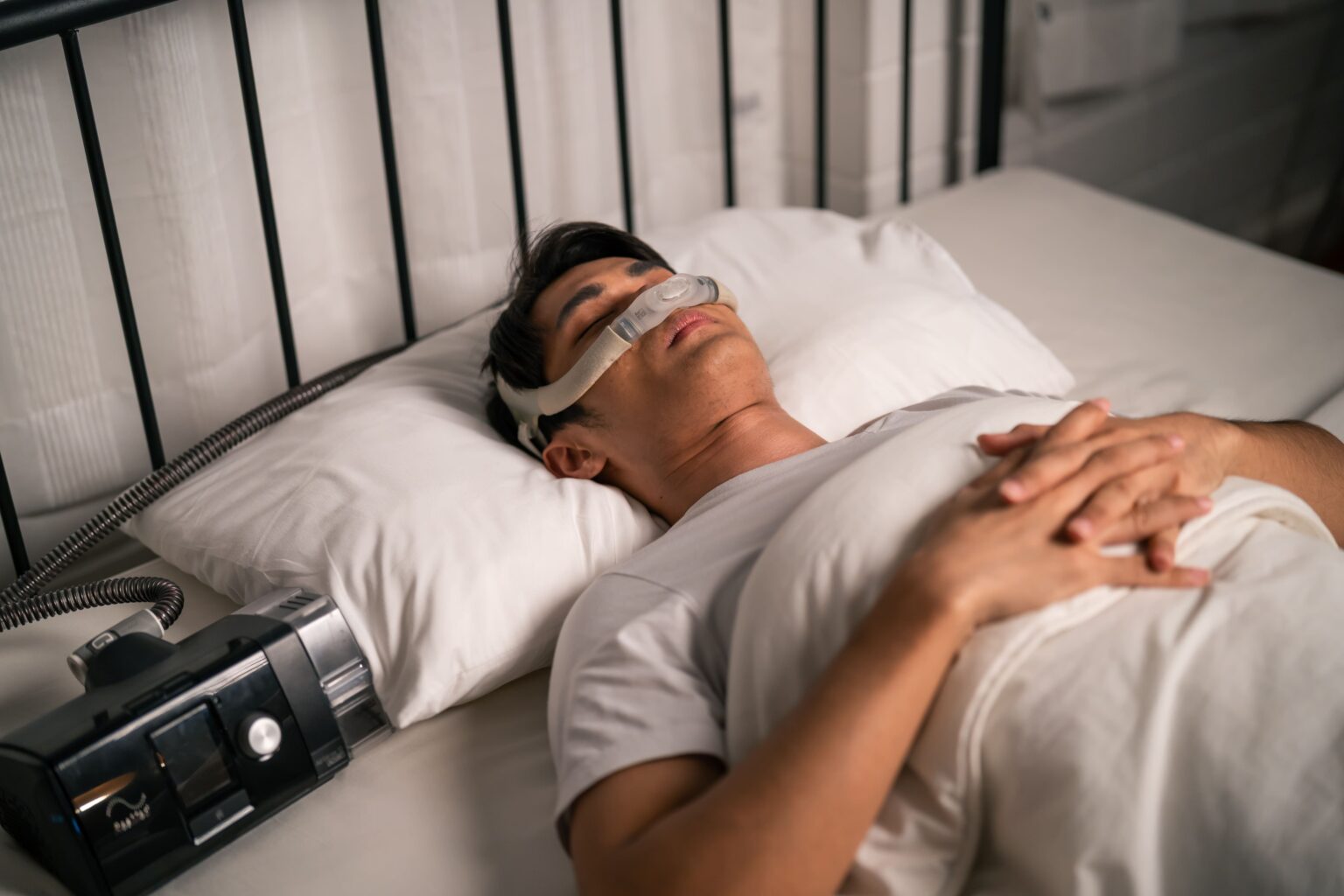
Image asian man wearing cpap machine sleeping smoothly a 2026 01 09 07 31 47 utc
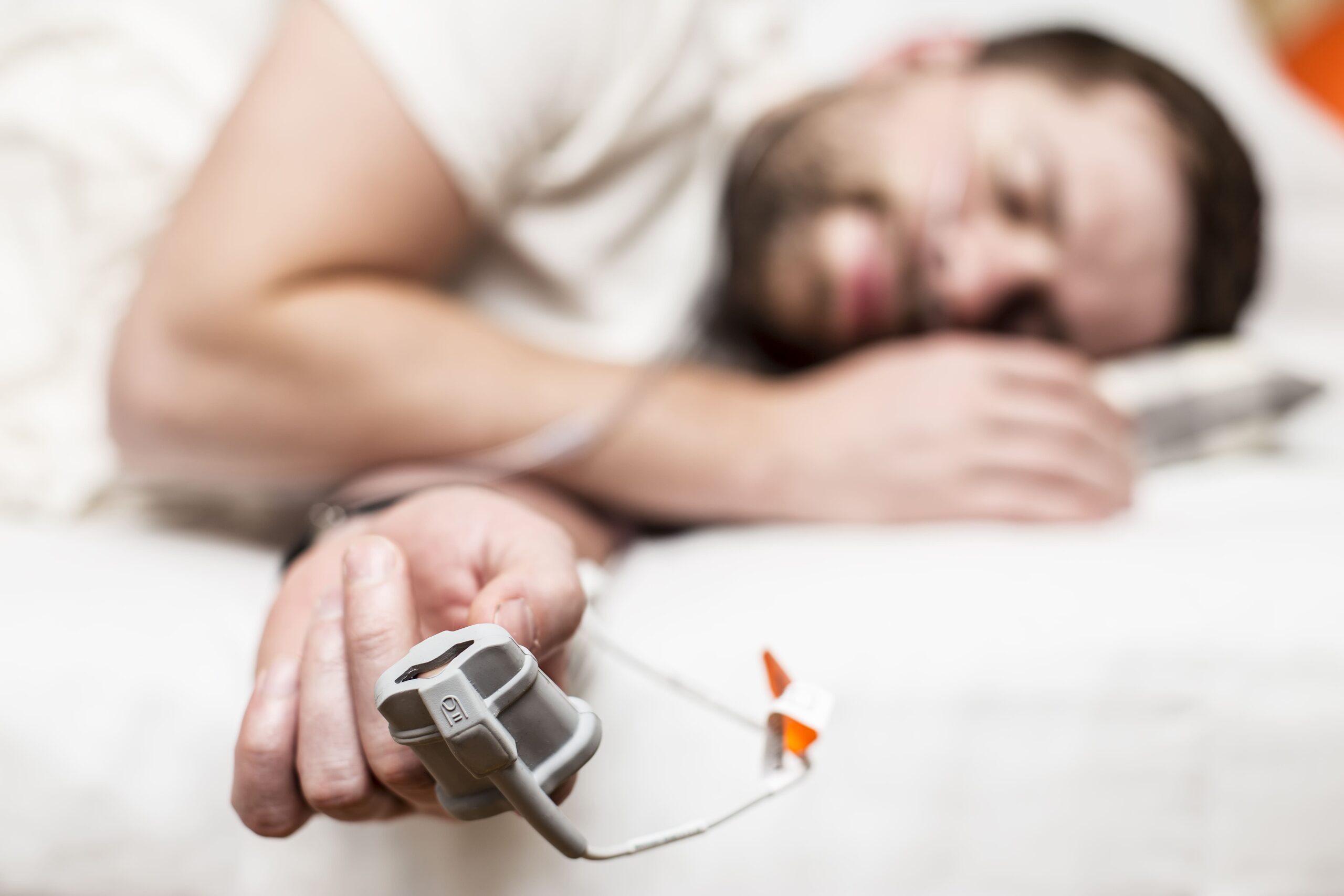
Image sleep apnea diagnostic medical device kit 2026 01 07 01 36 12 utc

What is Sleep Apnoea?

Sleep apnoea is characterised by repeated episodes of partial or complete interruption of breathing during sleep. These pauses, known as apnoeas, can last from several seconds to over a minute and lead to drops in blood oxygen levels. In response, the brain briefly arouses the body to resume breathing, often without conscious awareness. These repeated disruptions interfere with restorative sleep and place ongoing stress on the cardiovascular system. Fluctuating oxygen levels and frequent activation of the stress response can cause repeated surges in heart rate and blood pressure during the night. Over time, this strain is associated with an increased risk of hypertension, heart rhythm disturbances, coronary artery disease, heart failure, and stroke.

Types of Sleep Apnoea

Obstructive Sleep Apnoea

Obstructive sleep apnoea (OSA) is the most common form of sleep apnoea. It occurs when the muscles of the upper airway relax excessively during sleep, leading to partial or complete airway collapse.  Despite ongoing respiratory effort, airflow is reduced or temporarily blocked, resulting in repeated breathing interruptions.

The severity of OSA is assessed using the Apnoea–Hypopnoea Index (AHI), which measures the number of breathing disturbances per hour of sleep. This is the standard diagnostic metric for assessing OSA severity in adults:

Mild OSA 5-15 events per hour
Moderate OSA 15-30 events per hour
Severe OSA More than 30 events per hour

Source: John Hopkins Medicine

Higher AHI values are associated with greater cardiovascular strain, including sustained elevations in blood pressure and increased risk of cardiac complications.


Central Sleep Apnoea

Central sleep apnoea (CSA) is less common and occurs when the brain fails to send consistent signals to the respiratory muscles. In this form, breathing effort temporarily ceases without airway obstruction.

CSA is frequently associated with underlying conditions such as heart failure, prior stroke, or neurological disease. It may also be linked to certain medications, particularly opioid analgesics (pain-relieving medications).

Complex Sleep Apnoea Syndrome

Also known as treatment-emergent central sleep apnoea, this condition involves features of both OSA and CSA. It is typically identified when central apnoeas develop during treatment of obstructive sleep apnoea with continuous positive airway pressure (CPAP) therapy.

Causes and Risk Factors

  • Causes

    The underlying causes of sleep apnoea differ by type:

    Obstructive Sleep Apnoea (OSA)

    • Airway anatomy: Narrow airway, enlarged tonsils, or a large tongue can obstruct airflow
    • Muscle tone: Relaxed throat muscles during sleep allow soft tissues to collapse into the airway
    • Fluid redistribution: Lying flat shifts fluid to the neck, narrowing the airway
    • Age-related changes: Loss of throat muscle tone with age increases the risk of obstruction risk

    Central Sleep Apnoea (CSA)

    • Neurological factors: Impaired signalling between the brain and the respiratory muscles affects regular breathing
    • Medical conditions: Heart failure, stroke, or other systemic issues can disrupt respiratory control
    • Medications: Certain drugs, like opioid analgesics, can suppress breathing effort

    Complex Sleep Apnoea

    • Emerges during CPAP treatment for OSA
    • Features of both OSA and CSA
    • A combination of airway obstruction and impaired respiratory signalling
  • Risk Factors

    Several factors increase your likelihood of developing sleep apnoea:

    • Excess weight: Fat deposits around the upper airway can obstruct breathing
    • Neck circumference: A thicker neck may indicate narrower airways
    • Gender: Men are at higher risk than pre-menopausal women
    • Age: Risk increases with age as muscle tone and tissue elasticity decline
    • Family history: Genetics can influence airway anatomy and fat distribution
    • Alcohol and sedatives: These relax throat muscles, worsening airway collapse and oxygen levels in the body
    • Smoking: Inflammation of the airway from smoking can worsen obstruction and heart strain
    • Nasal congestion: Chronic allergies or structural blockage can narrow airways
    • Medical conditions: Hypertension, diabetes, heart disease, and hormonal disorders can both increase risk and complicate cardiovascular outcomes

Signs and Symptoms

Sleep apnoea often develops gradually, and symptoms may be dismissed or attributed to other causes. Recognising them early can prompt timely evaluation.

Mild Symptoms
  • Occasional loud snoring, especially when sleeping on the back
  • Waking with dry mouth or mild sore throat
  • Morning headaches that typically resolve within an hour or two
  • Slight daytime concentration difficulties
  • Mild fatigue despite adequate sleep
  • Restless sleep or frequent position changes
Moderate Symptoms
  • Persistent loud snoring disturbing bed partners
  • Witnessed breathing pauses
  • Sudden waking with choking or gasping
  • Daytime sleepiness affecting work or daily activities
  • Trouble staying awake
  • Irritability and mood changes
  • Reduced libido and sexual dysfunction
  • Night sweats unrelated to temperature
Severe Symptoms
  • Persistent daytime drowsiness – Involuntary sleep episodes during activities
  • Memory and concentration issues
  • Frequent nighttime urination
  • Experiencing chest pain or an irregular heartbeat during sleep, which requires prompt evaluation by a chest pain doctor.
  • Difficult-to-control high blood pressure
  • Recurring daily headaches

Experiencing these symptoms?

If these symptoms sound familiar to you, our Senior Consultant Cardiologist can help confirm the diagnosis and develop a personalised management plan.

cta new mobile

When to See a Cardiologist in Singapore

Sleep apnoea can place significant strain on the heart, increasing the risk of cardiovascular complications. Consultation with a cardiologist is recommended—especially if there is:

  • Existing heart conditions, such as hypertension, heart disease, or atrial fibrillation
  • Difficulty managing cardiovascular symptoms

Concerns about how sleep patterns may affect heart health during the first consultation, our cardiologist will review sleep patterns, cardiovascular history, and overall risk factors. Based on this assessment, appropriate diagnostic testing and a personalised management plan may be recommended.

Diagnosis and Testing Methods

A comprehensive diagnosis of sleep apnoea is important, especially when there are concerns about heart health. Your cardiologist may recommend a sleep study or other assessments to confirm the presence and type of sleep apnoea.

  • Sleep Studies (Polysomnography)

    A sleep study, often conducted at a specialised facility, measures breathing patterns, oxygen levels, and heart function during sleep. The results help determine the severity of sleep apnoea and guide treatment decisions.

  • Additional Assessments

    Depending on symptoms and examination findings, further tests may include:

    • Imaging studies: CT or MRI scans to assess airway structure
    • Blood tests: To evaluate metabolic or hormonal factors
    • Cardiac evaluation: An electrocardiogram (ECG) test or echocardiogram to check heart rhythm and function.

Management Options Overview

Management focuses on improving breathing during sleep, reducing cardiovascular strain, and improving overall health. Treatment is personalised based on the type and severity of sleep apnoea and any underlying heart conditions.

Management for OSA

Lifestyle and Device Therapy

  • Lifestyle Modifications: Weight management, avoiding alcohol before bedtime, and positional strategies such as side-sleeping.
  • CPAP Therapy: A device delivers continuous air pressure to keep the airway open.
  • Bilevel Positive Airway Pressure (BiPAP) Therapy: Provides two alternating pressure levels, helpful for central sleep apnoea or mixed forms.

Oral Appliances and Surgery

  • Oral Appliances: Custom dental devices that reposition the jaw to keep the airway open, suitable for mild to moderate OSA in some patients.
  • Surgical Interventions: Reserved for patients with specific anatomical issues or those unable to tolerate other therapies.

Management for CSA

CSA focuses on treating the underlying cause, as breathing interruptions arise from impaired signalling between the brain and respiratory muscles rather than airway obstruction. This may include optimising heart failure treatment or adjusting contributing medications.

In selected patients, adaptive servo-ventilation (ASV) devices may be used to regulate breathing patterns during sleep. Supplemental oxygen may also be prescribed to improve blood oxygen levels, although it does not correct breathing pauses. The most appropriate approach depends on the underlying condition and overall cardiac status.

Complications if Left Unmanaged

Unmanaged sleep apnoea places ongoing strain on the cardiovascular system due to repeated oxygen desaturation, sleep fragmentation, and activation of stress pathways. Over time, these physiological changes may contribute to both cardiac and metabolic complications.

Cardiovascular Complications

Sleep apnoea is associated with an increased risk of cardiovascular disease. Recurrent drops in blood oxygen and repeated nighttime arousals stimulate the sympathetic nervous system, leading to elevated blood pressure, endothelial dysfunction (where the inner lining of blood vessels fails to function properly), and increased cardiac workload.

Unmanaged sleep apnoea has been linked to a higher risk of:

 Managing sleep apnoea may support blood pressure control and reduce cardiovascular strain in selected patients, particularly those with existing heart conditions.

Metabolic Risk

Sleep apnoea may impair glucose regulation and insulin sensitivity, increasing the risk of type 2 diabetes and complicating hyperlipidemia treatment efforts. Repeated oxygen deprivation and sleep disruption affect hormonal and metabolic pathways involved in blood sugar control, even after accounting for body weight.

The coexistence of sleep apnoea and diabetes may further amplify cardiovascular risk, highlighting the importance of early recognition and appropriate management in patients with cardiometabolic disease.

Reducing Your Risk

Although some risk factors for sleep apnoea cannot be modified, certain lifestyle measures may reduce risk or limit progression, particularly in mild cases.

  • Avoid alcohol and sedatives before sleep

    Alcohol and sedative medications relax upper airway muscles, increasing the likelihood of airway collapse during sleep. Avoiding these substances in the evening may reduce apnoeic events.

  • Adopt side-sleeping positions

    Sleeping on the side rather than the back may help prevent the tongue and soft tissues from obstructing the airway. Positional strategies or supportive devices may assist in maintaining this posture.

  • Manage nasal congestion

    Treating chronic nasal blockage or allergic rhinitis may improve airflow and reduce mouth breathing, which can worsen snoring and sleep apnoea.

  • Smoking cessation

    Smoking contributes to upper airway inflammation and fluid retention. Smoking cessation may reduce airway swelling and overall risk.

Frequently Asked Questions (FAQs)

How can sleep apnoea be distinguished from chronic snoring?

Snoring alone does not necessarily indicate sleep apnoea. Features that raise concern include witnessed pauses in breathing, gasping or choking during sleep, and excessive daytime sleepiness despite adequate sleep duration. A diagnostic sleep study is required to confirm sleep apnoea.

Can sleep apnoea be resolved permanently?

In some cases, sleep apnoea may improve or resolve. Significant weight loss can reduce or eliminate mild to moderate obstructive sleep apnoea in some individuals. Surgical correction of specific anatomical causes may also provide lasting improvement for selected patients. However, many individuals require long-term management. With appropriate treatment, symptoms and associated health risks can often be reduced.

Is CPAP the only management option for sleep apnoea?

CPAP is commonly used for moderate to severe obstructive sleep apnoea, but it is not the only option. Oral appliances may be suitable for mild to moderate cases, while lifestyle modifications may be sufficient for some individuals with mild disease. Surgical approaches may be considered for patients with specific anatomical factors or those unable to tolerate device-based therapy.

Is CPAP required long term?

Duration of CPAP use varies between individuals. Some patients benefit from long-term use with sustained symptom improvement. Others may reduce or discontinue CPAP following significant weight loss or successful surgery, under medical supervision. Regular follow-up allows management to be adjusted over time.

How long does it take to see results from sleep apnoea management?

Many patients notice improved alertness and reduced daytime sleepiness within days to weeks of consistent treatment. Potential cardiovascular benefits generally develop over several months of effective therapy. Ongoing adherence is important for sustained benefit.

Can children develop sleep apnoea?

Yes. Sleep apnoea can occur in children, most commonly due to enlarged tonsils and adenoids. Symptoms may include snoring, restless sleep, bedwetting, behavioural changes, and difficulty concentrating. Management often involves tonsillectomy (tonsil removal) and adenoidectomy (adenoid removal), which resolves symptoms in many cases. Evaluation by an appropriately trained healthcare professional is recommended.

Does sleep apnoea affect life expectancy?

Severe untreated sleep apnoea has been associated with increased mortality, largely due to cardiovascular complications. Effective diagnosis and management may reduce this risk. Studies suggest that consistent CPAP use is associated with improved long-term health outcomes in many patients.

Conclusion

Sleep apnoea is a common condition that can significantly affect quality of life and place added strain on the cardiovascular system if left unmanaged. A range of management options—including lifestyle modification, positive airway pressure therapy, and oral appliances—may help improve sleep quality while supporting long-term heart health.

Early evaluation allows for accurate diagnosis and the development of an individualised management plan, taking into account symptom severity, underlying health conditions, and cardiovascular risk. Appropriate management may lead to improved daytime function, better sleep quality, and potential cardiovascular benefits.

Take the First Step Towards Better Health

Don’t let sleep apnoea compromise your heart health. Schedule a consultation with Dr Kua Jieli today.

cta new mobile
Frame 1894

Dr. Kua Jieli

MBBS (SG)|MRCP (UK)|MMed (Internal Med) (SG)|FAMS (Cardiology, SG)

Dr. Kua is a senior consultant cardiologist specialised in interventional cardiology and is the medical director at Carrington Cardiology.

  • He is experienced in managing complex coronary artery disease and a variety of other cardiovascular diseases and conditions.
  • He also handles difficult coronary interventional procedures such as left main disease, chronic total occlusions, and calcified lesions.
  • He served as a Senior Consultant at National University Hospital Singapore and Ng Teng Fong General Hospital and was also the Director of the Cardiovascular Catheterisation Laboratory.

Prior to this, he served as an International Cardiology Fellow and Honorary Consultant at Hammersmith Hospital Imperial Healthcare Trust, where he gained valuable experience in various prestigious healthcare institutions.

Location Contact Background
Image location

Mount Elizabeth Medical Centre
3 Mount Elizabeth, #12-02 Medical Centre
Singapore 228510

Image time

Mon to Fri: 09:00am – 05:00pm
Sat: 09:00am – 12:30pm
Sun & Public Holidays: Closed

Get In Touch With Us

Leave us a message and we’ll get back to you shortly


    Full Name*

    Email Address*

    Phone Number*

    Your Message*

    For faster response, call our 24/7 hotline!

    +65‎ 6956‎ 6588


    Image location

    Mount Elizabeth Medical Centre
    3 Mount Elizabeth, #12-02 Medical Centre
    Singapore 228510

    Image time

    Mon to Fri: 09:00am – 05:00pm
    Sat: 09:00am – 12:30pm
    Sun & Public Holidays: Closed